
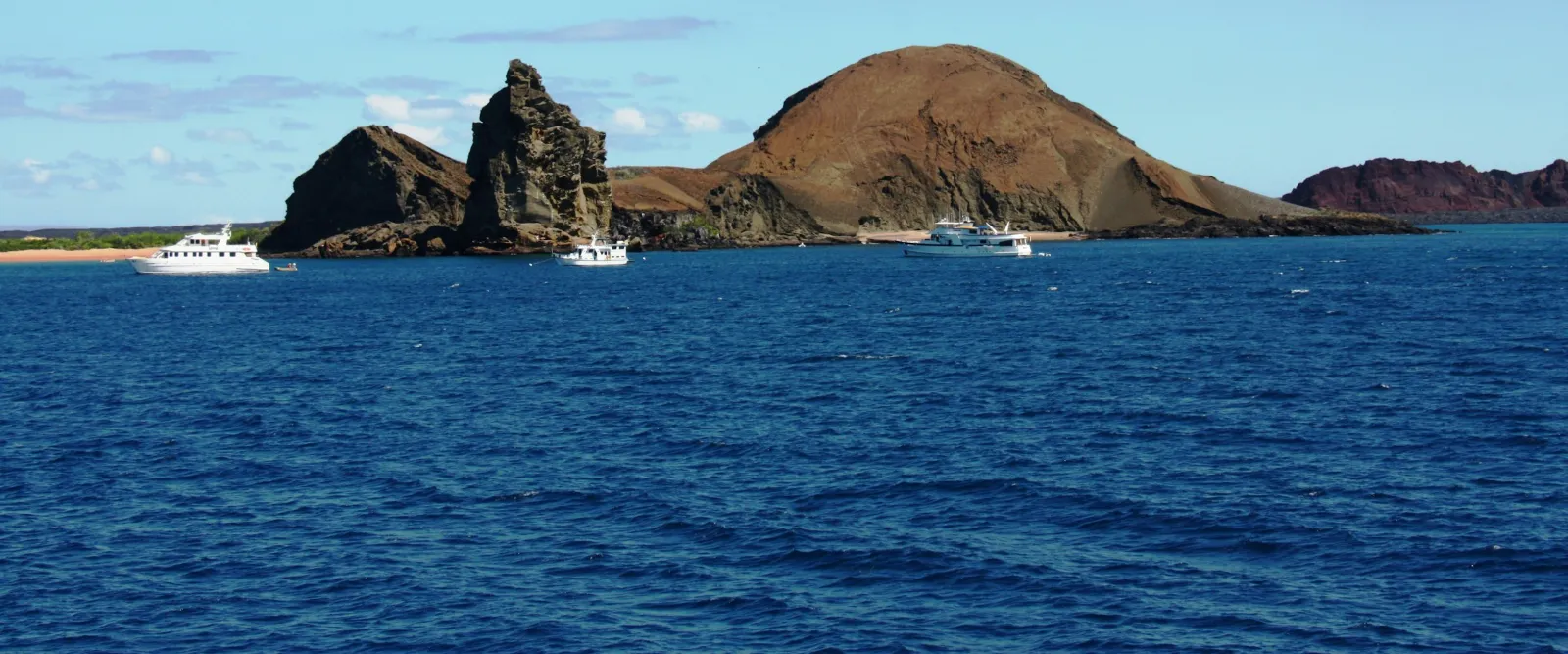
This Galapagos packing list covers everything you need for a cruise or a land-based trip: documents and cash, clothes for each season, shoes for lava trails and wet landings, snorkel gear, sun protection and what you are not allowed to bring into the islands. Updated for 2026.
 Let’s talk about your trip
The 10 essentials at a glance
Passport valid for at least 6 months
US$200 in cash for the National Park fee (US$100 for children under 12)
Closed walking shoes with good grip
Sport sandals with straps for wet landings
Reef-safe sunscreen, hat with strap and sunglasses
Swimwear and a long-sleeve UV shirt
Light fleece or windbreaker
Seasickness medication
Waterproof phone case or dry bag
Reusable water bottle
Documents and money
Passport valid for at least 6 months, plus printed cruise or hotel vouchers and your return flight
Transit Control Card (US$20), paid at the Quito or Guayaquil airport before check-in
Galapagos National Park fee (US$200 per foreign adult), paid in cash on arrival at Baltra or San Cristóbal
Biosafety affidavit, completed online before your flight
Cash in small, clean US dollar bills for tips and small purchases. ATMs are only in Puerto Ayora (Santa Cruz) and Puerto Baquerizo Moreno (San Cristóbal) and often limit withdrawals
Credit card (Visa or Mastercard) for hotels and restaurants; some places add a surcharge
Travel insurance that covers medical evacuation
Read the full requirements to enter the Galapagos Islands before you fly.
Clothes for the Galapagos weather
The Galapagos has two seasons. Pack light layers for both, and add a warmer layer and a wetsuit from June to November.
| Season | Weather | Pack |
| Warm season (December to May) | Hot and sunny with short showers; calm seas and warmer water | Shorts, T-shirts, light dresses, swimwear, light rain jacket |
| Cool season (June to November) | Overcast with misty garúa; cooler air, rougher seas and colder water | Long pants, light fleece, windbreaker, wetsuit for snorkeling |
Quick-dry T-shirts and shorts
Lightweight long pants and a long-sleeve shirt for sun and insects
Long-sleeve UV shirt or rash guard for snorkeling
2 or 3 swimsuits, so one is always dry
Light fleece or sweater for evenings on deck
Windbreaker or light rain jacket
Hat with a strap (it gets windy on boats)
Casual clothes for dinner; no formal wear is needed
Shoes for lava trails and wet landings
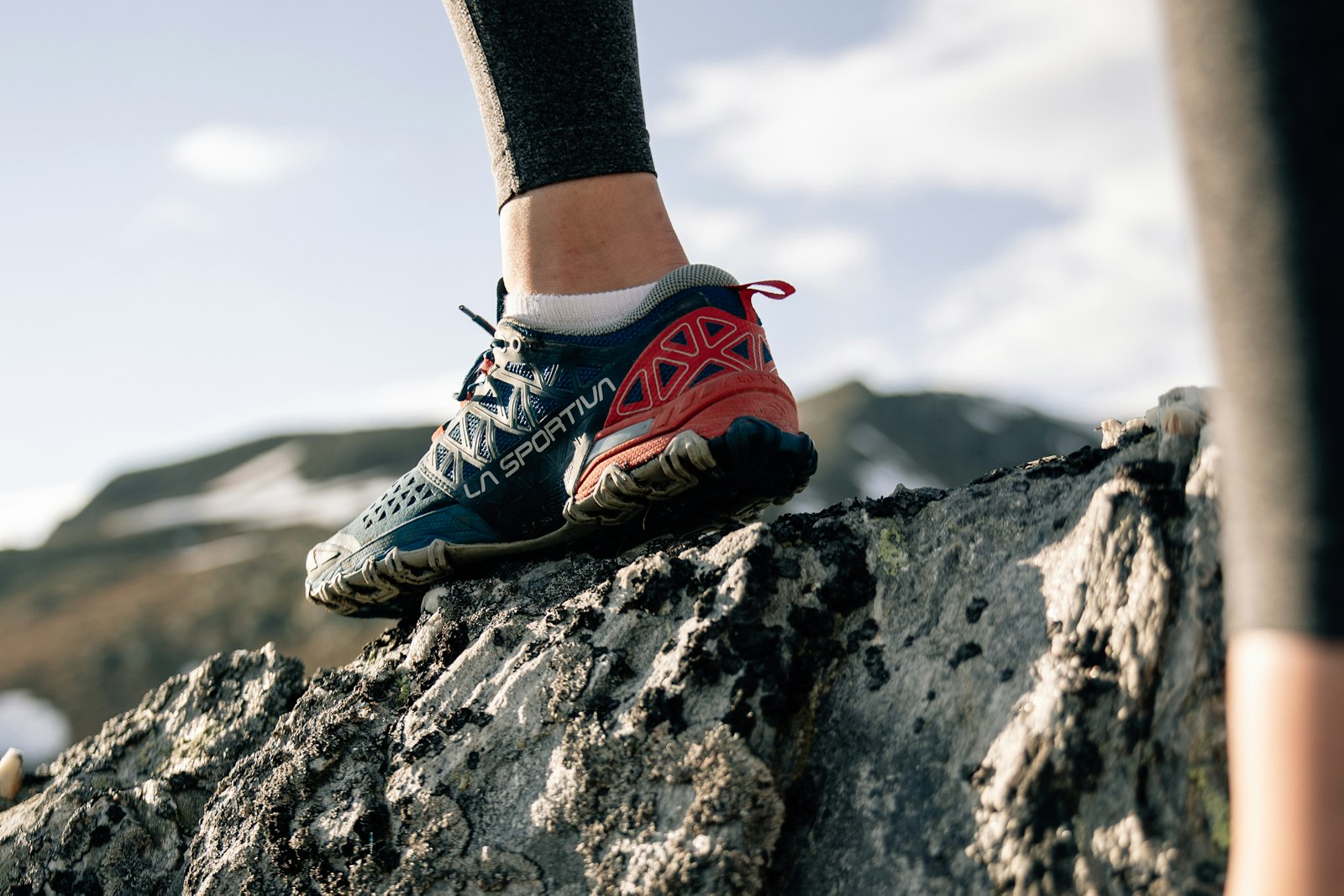
Low-cut walking shoes or trail runners with a good grip; trails are short and easy, so heavy boots are not needed for lava, rocks and the boardwalk up Bartolomé
Sport sandals with straps for wet landings, when you step from the panga into the water
Flip-flops for the boat, the cabin and town
Snorkeling gear
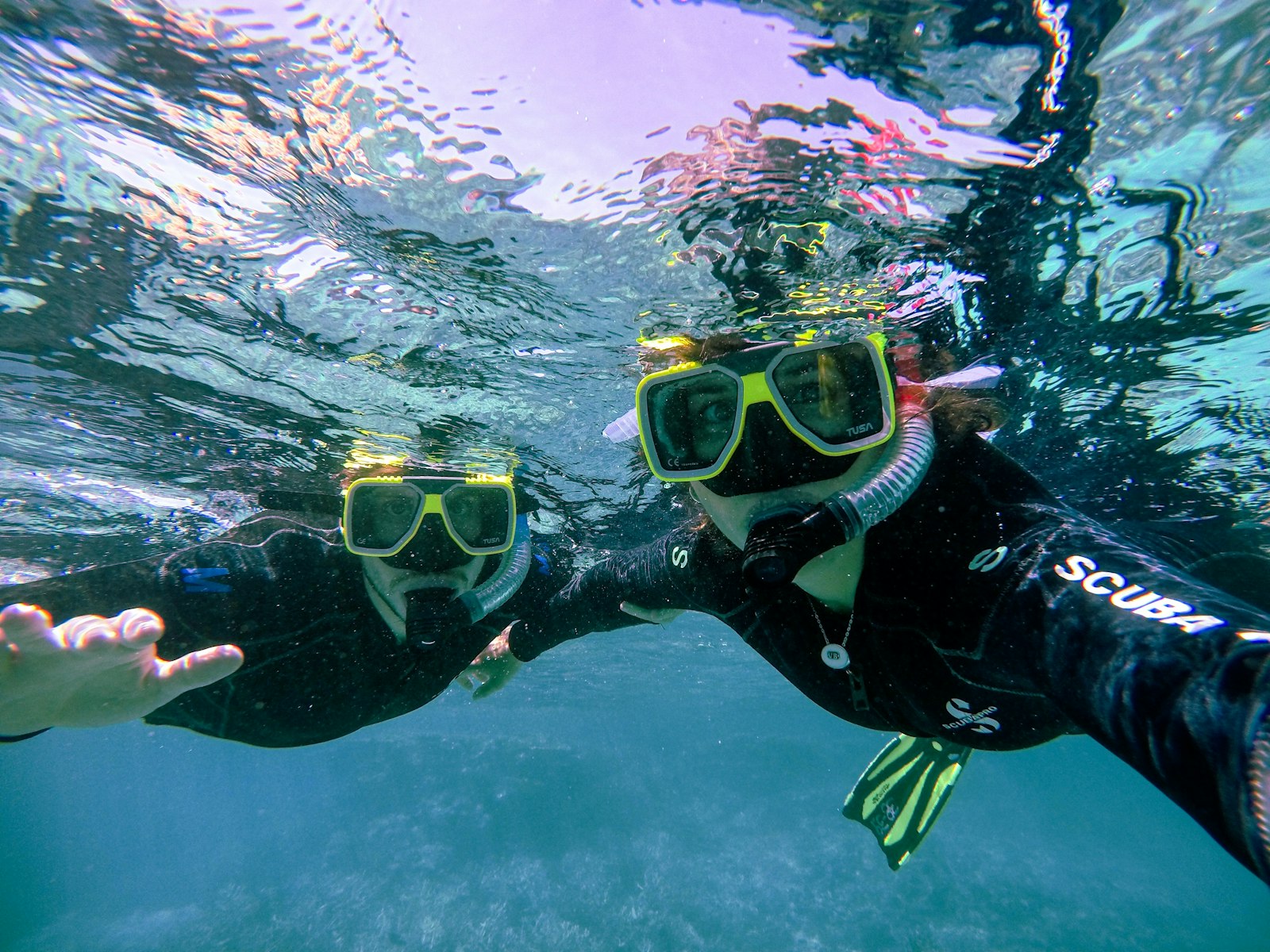
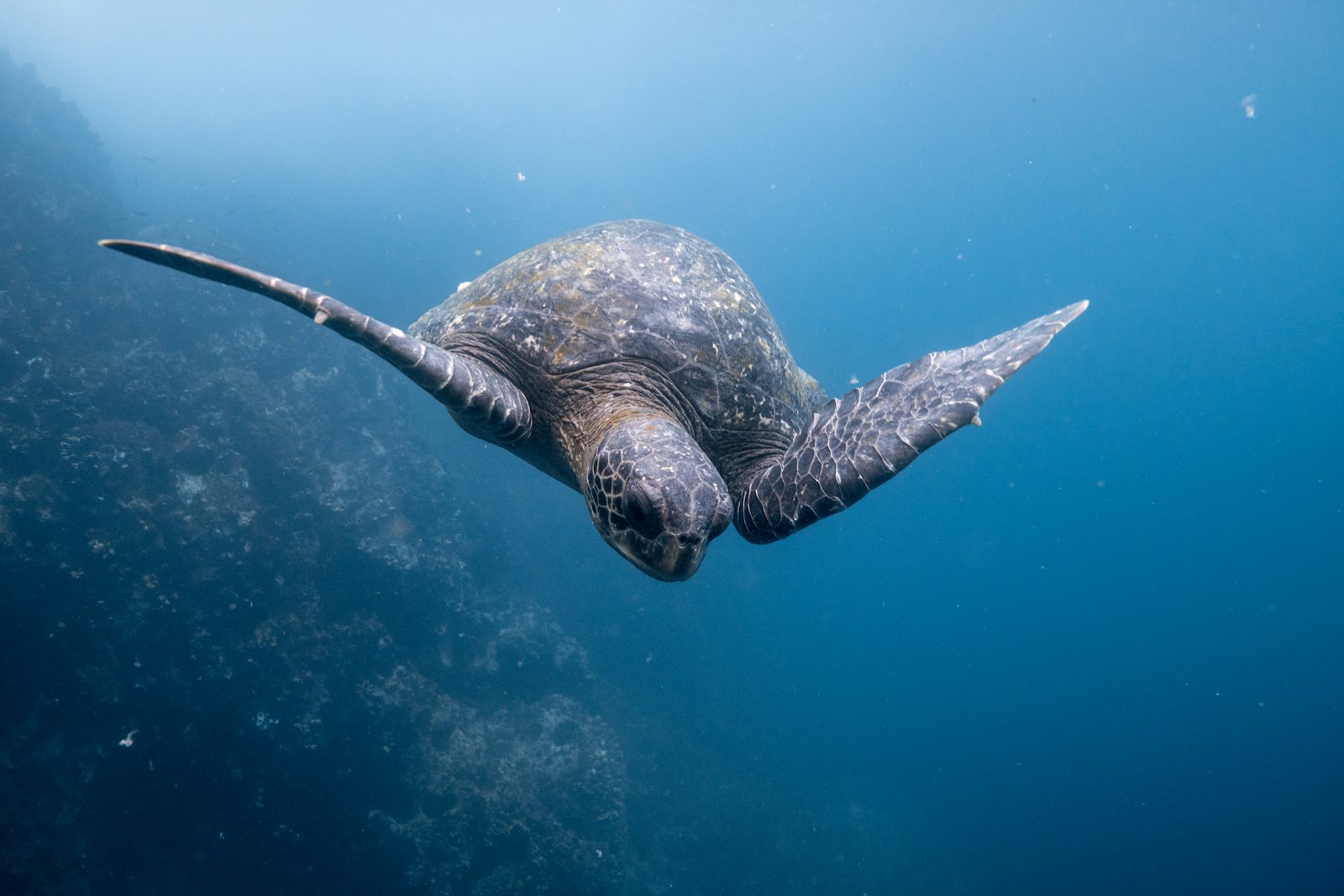
Snorkeling is one of the highlights of any Galapagos trip, with sea lions, sea turtles, penguins and reef sharks. Most cruises and day tours include a mask, snorkel, fins and wetsuit, so check what is provided when you book. If you wear glasses or want a perfect fit, bring your own mask.
Your own mask (optional), or a prescription mask
Rash guard or UV shirt
Shorty wetsuit if you get cold easily, especially from June to November
Anti-fog drops
Waterproof bag for the panga rides
Sun protection
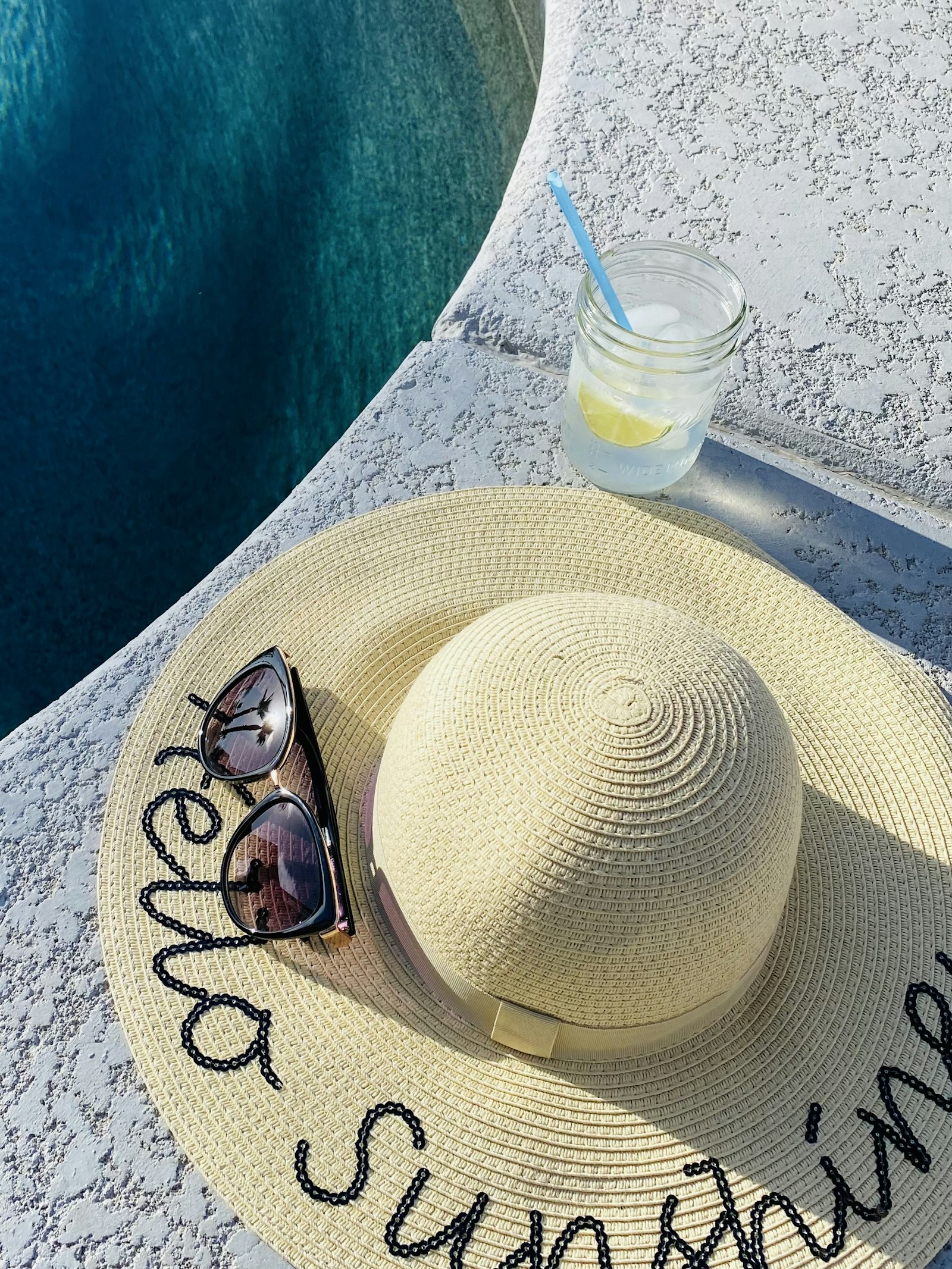
The Galapagos sits on the equator, and the sun burns fast even when it is cloudy. Protect your skin and the reefs at the same time.
Reef-safe mineral sunscreen (zinc oxide or titanium dioxide), SPF 50
Lip balm with SPF
Wide-brim hat with a chin strap
Polarized sunglasses with a strap
Long-sleeve UV shirt
Camera and electronics
Camera or phone with extra memory and batteries
Waterproof phone case or action camera for snorkeling
Dry bag for wet landings and panga rides
Binoculars for birds
Power bank and charging cables; outlets are 110 V with US-style plugs
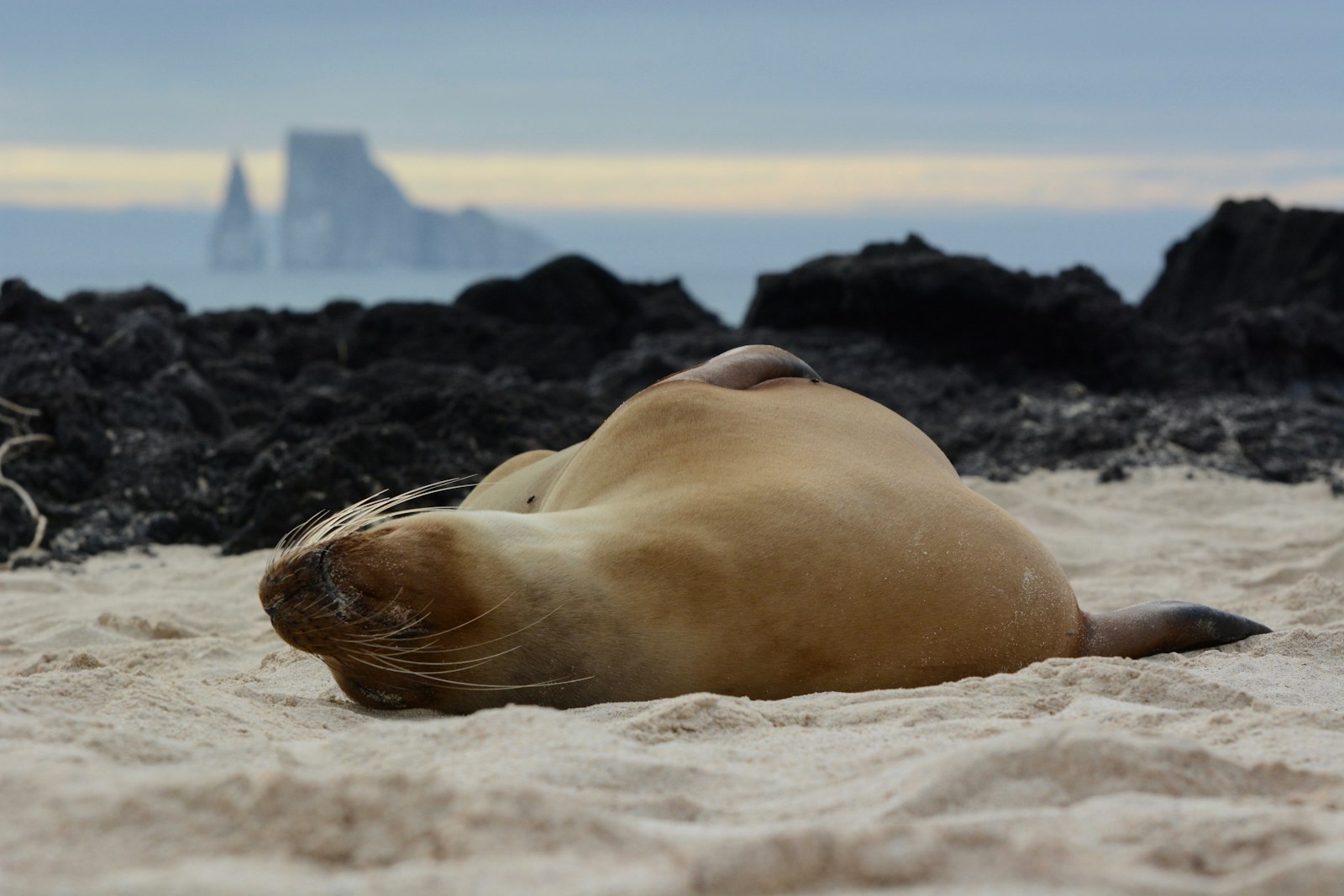
Remember the National Park rules: stay at least 2 meters (6 feet) from wildlife, never use flash, and do not fly a drone without a special permit.
Health and toiletries
Seasickness medication, for cruises and for day tours with long crossings
Personal medication in your carry-on, with a copy of the prescription
Insect repellent
Small first-aid kit
Reusable water bottle (many boats refill them)
Biodegradable toiletries
Cruise or land-based trip: what changes
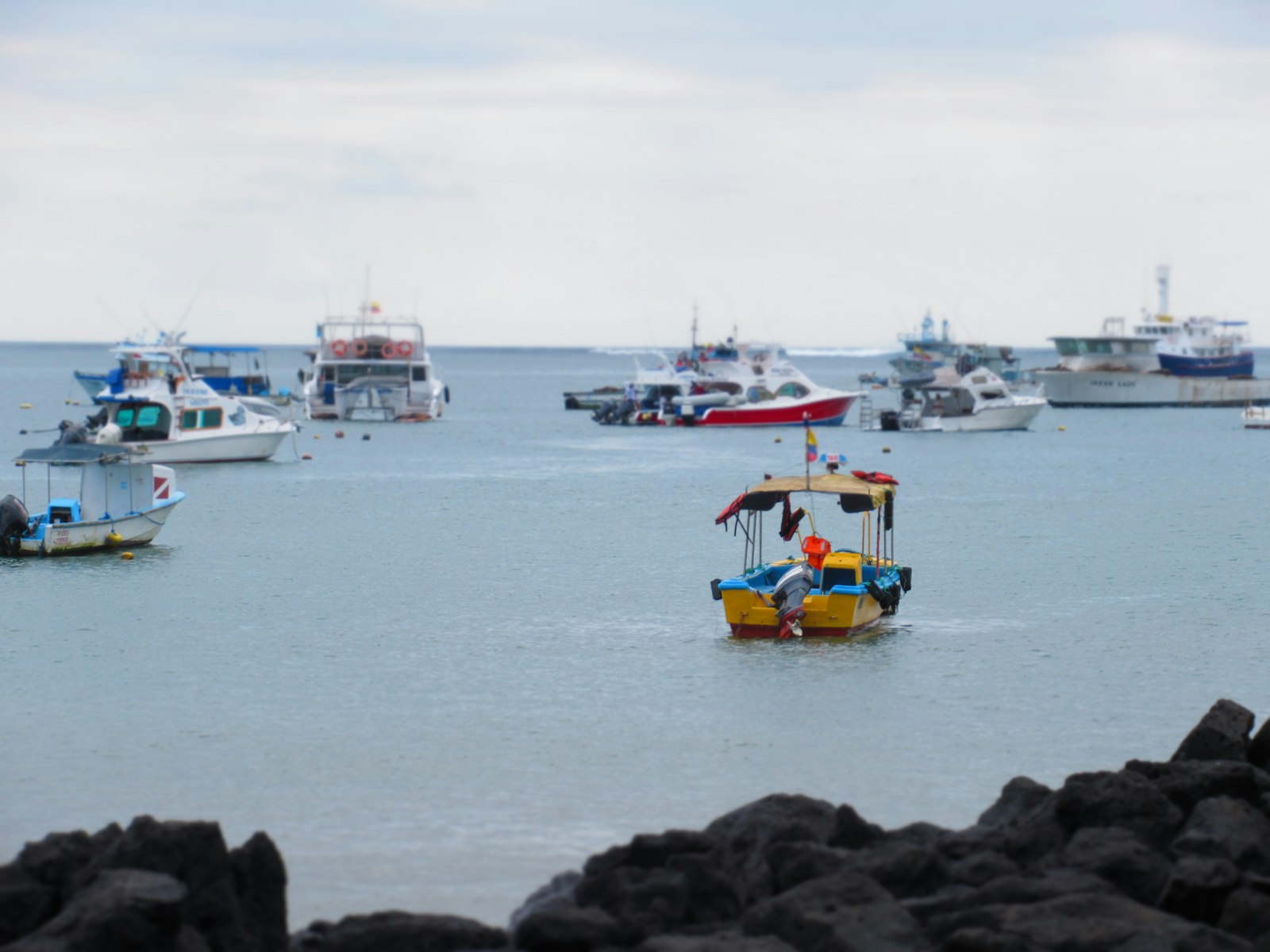
- On a cruise: cabins are small, so a soft duffel bag is easier to store than a hard suitcase. Snorkel gear is usually provided, and you will make several wet landings a day.
- On a land-based trip or island hopping: bring a daypack for day tours and a waterproof cover for your luggage, because bags travel on open speedboats between islands.
Not sure which style suits you? Compare Galapagos cruises with day tours such as the Bartolomé and Sullivan Bay day tour.
What not to bring to the Galapagos
Fresh fruit, vegetables, seeds, nuts, plants or soil
Single-use plastics such as plastic bags, straws, styrofoam and plastic bottles (banned since 2018)
Drones, unless you have a permit from the National Park
Pets or live animals
Your luggage is scanned and sealed by the Galapagos biosecurity agency (ABG) at the Quito or Guayaquil airport before check-in. On the way back, do not take sand, shells, rocks or any natural item from the islands.
Luggage limits
Flights to the Galapagos usually allow one checked bag of 23 kg (50 lb) and one carry-on of 8 kg (17 lb); confirm with your airline. If you are traveling around Ecuador, leave extra luggage at your hotel in Quito or Guayaquil and pack light for the islands.
Printable Galapagos packing checklist
Documents and money: passport, vouchers, return flight, US$200 cash for the park fee, US$20 for the transit card, small bills, credit card, travel insurance.
Clothes: quick-dry shirts and shorts, long pants, long-sleeve UV shirt, 2 or 3 swimsuits, fleece, windbreaker, hat with strap.
Shoes: walking shoes, sport sandals with straps, flip-flops.
Snorkel and sun: mask (optional), rash guard, reef-safe sunscreen, lip balm, polarized sunglasses.
Gear: camera, waterproof phone case, dry bag, binoculars, power bank, daypack, reusable bottle.
Health: seasickness medication, personal medication, insect repellent, first-aid kit.
Frequently asked questions about packing for the Galapagos
What should I wear in the Galapagos?
Light, quick-dry clothes, a long-sleeve UV shirt, a hat and swimwear for the day, plus a light fleece or windbreaker for boat rides and evenings, especially from June to November. Dress is casual on cruises and in town.
Do I need a wetsuit in the Galapagos?
From June to November the water is cool, so a wetsuit makes snorkeling much more comfortable. Most cruises and day tours include wetsuits, masks and fins; ask when you book, or bring your own mask for a better fit.
How much cash should I bring to the Galapagos?
Bring enough US dollars in clean, small bills for the US$200 National Park entrance fee (US$100 for children under 12), paid in cash on arrival, plus tips and small purchases. ATMs exist only in Puerto Ayora and Puerto Baquerizo Moreno and often limit withdrawals.
Can I bring food to the Galapagos?
Fresh fruit, vegetables, seeds, nuts, plants and soil are not allowed. Your bags are inspected and sealed by the biosecurity agency before your flight from Quito or Guayaquil. Commercially sealed, processed snacks are usually accepted.
What shoes do I need for the Galapagos?
Closed walking shoes or trail runners with good grip for lava and rocky trails, and sport sandals with straps for wet landings on beaches. Flip-flops are fine on the boat but not on the trails.
Is sunscreen important in the Galapagos?
Yes. The islands sit on the equator and the sun is strong even on cloudy days. Use reef-safe mineral sunscreen, a hat with a strap, polarized sunglasses and a UV shirt for snorkeling.
Plan your Galapagos trip
We’re in Quito and Galápagos, and we have been organizing trips to the islands since 2005. We help you choose the right cruise, day tours and hotels. See our Galapagos cruises, Galapagos day trips and last-minute deals.