
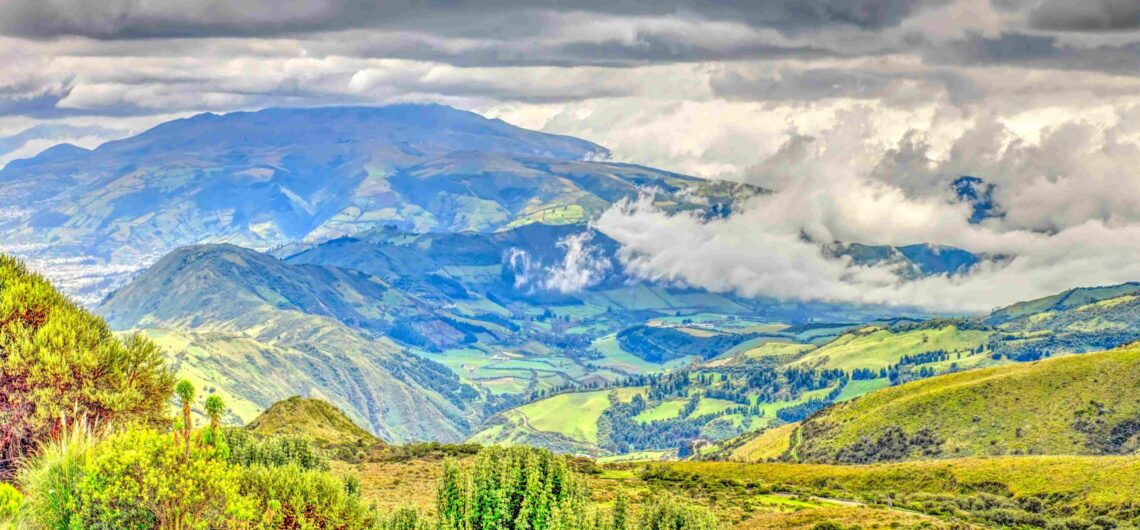
Ecuador is famous for its diversity. In a single trip, you can go from the Pacific Coast to high Andean volcanoes, then into the Amazon rainforest, and even out to the Galapagos Islands. Because the country has several distinct climate zones, the rainy season is not the same everywhere.
So, when is rainy season in Ecuador? In general terms, many travelers think of the “rainy season” as roughly December to May, but the reality depends on where you are traveling and what you want to do. Understanding Ecuador’s regional patterns will help you choose the best months for beaches, hiking, wildlife, and comfortable city travel.
Does Ecuador Have One Rainy Season?
Ecuador does not have a single nationwide rainy season that affects every region in the same way. Instead, rainfall patterns vary by altitude, geography, and ocean conditions.
As a simple overview:
- Coast: usually wetter from December to May, drier from June to November.
- Highlands (Andes): rain can happen year round, but it is often wetter from October to May, with drier periods typically around June to September.
- Amazon (Oriente): rains throughout the year, with some months feeling noticeably wetter.
- Galapagos: has a warm and wetter season from December to May, and a cooler, drier season from June to November (often with misty “garúa” conditions).
On top of that, El Niño and La Niña can make certain years wetter or drier than usual, especially along the coast.
Rainy Season in the Highlands, Quito and the Andes
The Andean highlands include Quito, Cotopaxi, Baños, Otavalo, Cuenca, and many mountain trails and volcano viewpoints. Here, altitude plays a big role, and weather can change quickly.
In many highland areas, rainfall is more common from October to May, while June to September is often considered a drier window with a higher chance of clear mornings.
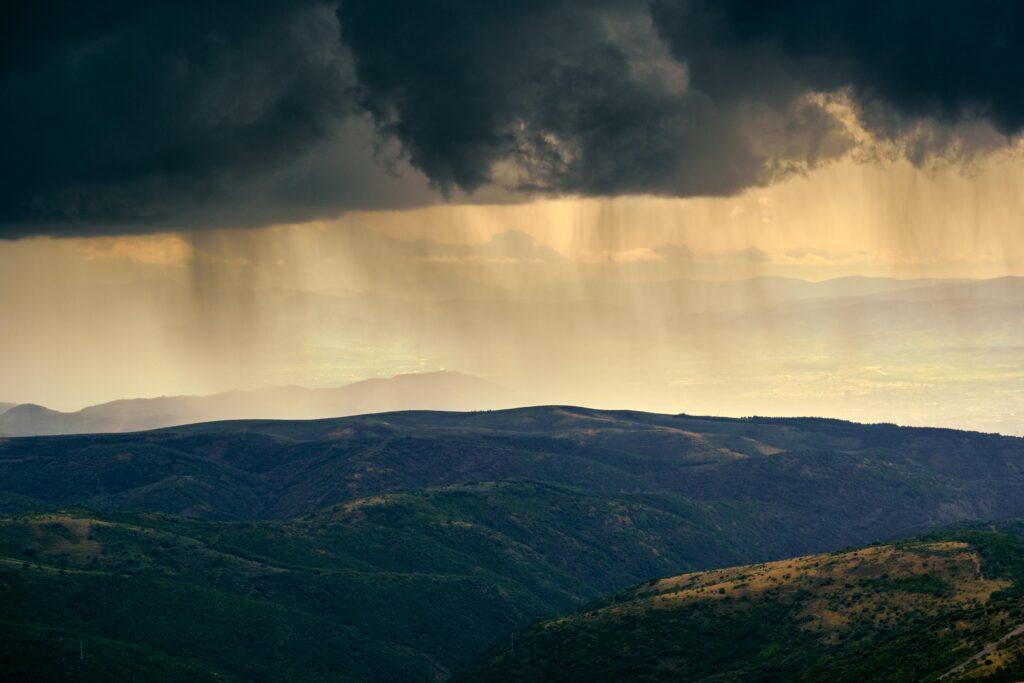
Rainy Season on the Coast, Best months for beach trips
Ecuador’s coastal region includes popular destinations such as Guayaquil, Manta, Montañita, Salinas, and the beaches of Manabí and Santa Elena. This is the region where the “classic” rainy season is most noticeable.
Peak rainfall on the Ecuadorian Coast
On the coast, the wettest period usually falls between December and May. During these months, you can expect:
- Short, intense downpours, often in the afternoon or evening
- Higher humidity
- Warmer temperatures, with a tropical feel
- Greener landscapes and fuller rivers
From June to November, rainfall generally decreases and the weather becomes more stable. If your priority is beach time with fewer storms, these months are often a safer choice.
Why the Andes can feel “two seasons in one day”
In the Andes, it is common to have sunshine, clouds, and rain all in the same day. Even in drier months, you can still get showers, especially later in the afternoon.
For travelers, a practical rule is:
- Start early for hikes and volcano viewpoints, mornings are often clearer.
- Expect afternoon clouds and occasional rain, regardless of season.
Rainy Season in the Amazon, Ecuador’s Oriente
Ecuador’s Amazon is lush, hot, and humid, and rain is part of the experience. Destinations include Tena, Misahuallí, Cuyabeno, and jungle lodges across the Oriente.
The Amazon rains year round, but some months are wetter
Unlike the coast, the Amazon does not have a clean “dry season.” Rainfall occurs in every month, but some periods can feel wetter and muddier, which may affect trail conditions and river levels.
- Rain is frequent year round
- Water levels in rivers can change, influencing canoe travel and wildlife spotting
- Even in “less rainy” months, showers are normal
If you are visiting the Amazon, it is best to plan with the expectation of rain, rather than trying to avoid it completely.
Rainy Season in the Galapagos
The Galapagos Islands have two main seasons that affect both weather and ocean conditions.
Warm and wet season vs. cool “garúa” season
- December to May: typically warmer with more sunshine, and also the wetter season. Rain usually comes in short bursts rather than all day. Sea conditions are often calmer and the water is warmer.
- June to November: typically cooler and drier, but with frequent misty conditions known as garúa, especially in the highlands of the islands. The ocean is cooler and nutrient rich, which can be excellent for marine life.
For many travelers, “rainy season” in the Galapagos is not a dealbreaker, showers tend to be brief, and there is still plenty of sunshine.
How Rain Impacts Travel in Ecuador
Rain does not automatically mean a bad trip, but it can change logistics and comfort.
- Road conditions: heavy rains can trigger landslides in mountainous areas, causing delays.
- Hiking: trails can become muddy and slippery, especially in cloud forest areas.
- Visibility: volcano views are more likely in clearer months, but early mornings can still be great in any season.
- Wildlife and nature: rain often makes landscapes greener and can increase activity in rainforest regions.
What to Pack for Ecuador’s Rainy Season
- Lightweight rain jacket or poncho
- Waterproof daypack cover or dry bags for electronics
- Quick dry clothing instead of heavy cotton
- Comfortable hiking shoes with good grip (plus spare socks)
- Insect repellent for the Amazon and humid coastal areas
- Sun protection, even in rainy season, UV can be strong, especially at altitude

In the Andes, add warm layers too, because rain and wind can make temperatures feel much colder.
Planning Your Trip to Ecuador with Nature Galapagos
Choosing the best time to visit Ecuador depends on what you want to prioritize: beaches, mountain views, rainforest exploration, or a Galapagos cruise. The good news is that Ecuador is a year round destination, and with realistic expectations, traveling in rainy season can still be comfortable and rewarding.
With Nature Galapagos, you can plan an itinerary that matches the best regional conditions for your goals, including:
- Selecting the best months for the Coast, Andes, Amazon, and Galapagos
- Building in flexible travel days for mountain routes
- Choosing activities that work well in wetter periods
- Coordinating Galapagos options, cruises or island hopping, based on ocean and weather conditions
Whether you are aiming for sunny beach days, clear Andean viewpoints, or a rainforest adventure, understanding Ecuador’s seasonal patterns will help you get the most out of your trip.

