
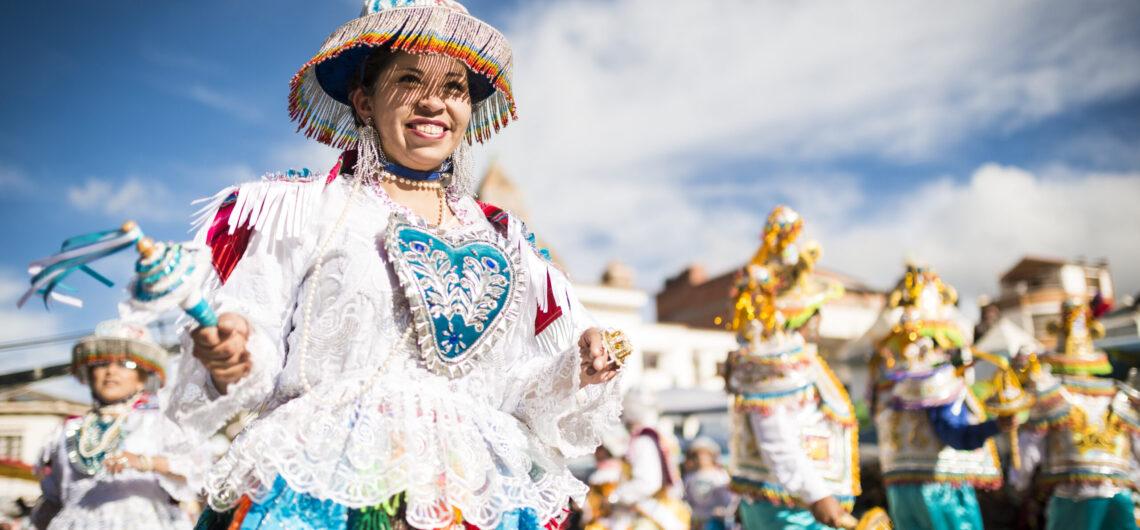
Traditions in Ecuador are woven into daily life, not just special occasions. From Andean markets that still follow ancestral trade routes to Amazon rituals that honor the forest, customs here are living expressions of identity and history. Travelers who look beyond the main landmarks can witness festivals, food rituals and family gatherings that show how modern life and ancient beliefs coexist. Across a relatively small territory, you encounter very different cultural worlds. Highland towns follow agricultural calendars and Catholic feast days, coastal cities celebrate with loud music and seafood on the beach, while Amazon communities maintain deep relationships with rivers and forest spirits. Understanding these traditions adds depth to any trip, turning a simple vacation into a meaningful cultural experience.
What are traditions in Ecuador?
When we speak about traditions in Ecuador, we mean the practices that people repeat and value as part of their collective memory. These can be big public celebrations, like a town patron festival, or small everyday customs, like greeting strangers on the street or sharing a pot of soup with family on Sundays. Many Ecuadorian traditions come from an encounter between indigenous worldviews and Spanish colonial influences. Agricultural cycles, worship of mountains and respect for nature blend with Catholic saints, church processions and European music or dress. Over time, new elements such as African rhythms on the coast and global pop culture have joined this mix, creating a living, constantly evolving tradition.
Indigenous and regional traditions across Ecuador
Ecuador’s cultural diversity is closely linked to its geography. Andean highlands, Amazon rainforest, coast and Galapagos each have their own rhythm of life, calendar of festivals and everyday customs. Many indigenous peoples preserve languages, dress and rituals that connect them to their ancestors, while mestizo communities combine indigenous and European influences. Travelers who wish to experience these traditions should do so through respectful tourism initiatives, local guides or community projects. This helps ensure that visits are welcome and that celebrations are not turned into a spectacle only for outsiders.
Andean Highlands traditions
In the Andean highlands, traditions revolve around the land and its cycles. Communities still practice mingas, communal work days where neighbors join forces to harvest crops, repair irrigation canals or build communal spaces. Participation is rewarded with shared meals, music and a strong sense of belonging. Weaving and embroidery are also part of Andean tradition. Clothing is not just a matter of style but a way of expressing community and status. Hats, shawls and ponchos may signal where someone comes from or which festival is being celebrated. In many villages, elders still wear their traditional dress every day, while younger generations combine it with modern clothing.
Amazon rainforest traditions
In the Amazon, indigenous nations maintain traditions that are deeply connected to the forest and rivers. Many communities follow their own calendars based on rainy and dry seasons, fruit ripening and animal behavior. Hunting rituals, fishing practices and agricultural activities are carried out with respect for the spirits that inhabit the forest.
Ceremonies may involve music played on flutes and drums, chants in native languages and the use of medicinal plants in a ritual context. Storytelling around the fire is another important tradition, where elders share myths explaining the origins of animals, rivers and stars. These narratives are not just entertainment, they transmit values and practical knowledge about how to live in the rainforest.
Visitors who are invited to these spaces must remember that not all ceremonies are meant for outsiders. Some rituals are private or sacred and should never be photographed or shared publicly. Joining a community visit with a responsible operator helps ensure that you participate only when appropriate and that your presence supports local efforts to protect culture and territory.
Coastal and island traditions
On the Pacific coast, traditions are shaped by the sea. Fishing communities leave before dawn, and returning boats are welcomed with activity on the docks and markets where fresh fish and shellfish are sold. Food is a central part of coastal culture, with dishes like ceviche, encocado, fish in coconut sauce, and plantain based snacks served during everyday meals and special occasions.
Festivals on the coast often include Afro Ecuadorian rhythms such as marimba, lively street parades and beach parties where families gather to dance and eat together. In some towns, processions carry saints or the Virgin Mary along the shoreline, symbolically blessing the sea and those who depend on it.
In the Galapagos Islands, local traditions are newer yet growing. Fishing heritage, conservation work and migration from the mainland have created communities with a unique mix of coastal and island identities. Small town celebrations, school parades and sports events are good opportunities to see how islanders build their own sense of tradition while living in a world famous natural environment.
Festivals and celebrations you can experience
The Ecuadorian calendar is full of celebrations that blend indigenous, Catholic and civic elements. Some are national holidays, others are unique to one town or region. Participating respectfully can be a highlight of any trip, as long as you follow the guidance of local hosts.
Inti Raymi and Andean solstice festivals
Around the June solstice, many Andean communities celebrate Inti Raymi or the Festival of the Sun. These celebrations honor the moment when days start to grow longer and the agricultural cycle shifts. In highland towns, you may see dancers in colorful costumes, traditional music and rituals where offerings are made to the sun and the earth. Some villages combine these rituals with Catholic elements, such as masses and processions. Dancers might visit houses or farms, receiving food and drink from hosts in exchange for blessings and good wishes. Joining Inti Raymi events with a local guide can help you understand the symbolism of masks, steps and songs that might otherwise seem mysterious.
Carnival, New Year and popular fiestas
Carnival, celebrated before Lent, is one of the most playful traditions in Ecuador. In many places, people throw water, colored powders or foam at each other in the streets. Music, dancing and parades fill town centers, while families gather to share traditional dishes. In some highland areas, Carnival is also a time for community leaders to visit homes and bless households.
New Year’s Eve brings another unique tradition: the burning of monigotes or año viejo dolls. Families and groups of friends create stuffed figures representing the old year, sometimes shaped like politicians, cartoon characters or symbolic figures. Just before midnight, the monigotes are burned in the street, often with firecrackers, as a way to leave behind misfortune and welcome a fresh start.
All year round, towns celebrate their patron saint days or civic anniversaries with processions, concerts, beauty contests, fireworks and food fairs. These fiestas can be crowded and joyful, giving visitors a chance to see how communities come together across generations.
Day of the Dead and religious processions
In early November, Ecuador observes Day of the Dead. Families visit cemeteries to clean and decorate graves with flowers, candles and sometimes food or drinks that the deceased enjoyed. It is a day of remembrance that mixes sadness and celebration, as relatives sit together, share stories and sometimes picnic beside the tombs.
Traditional foods associated with this date include guaguas de pan, sweet breads shaped like babies, and colada morada, a thick purple drink made from fruits, spices and purple corn flour. In some Andean communities, musicians accompany families in the cemetery, and indigenous rituals are performed alongside Catholic prayers.
Throughout the year, Holy Week, Marian processions and pilgrimages also mark the religious calendar. In large cities and small villages alike, these events are moments when streets turn into open air temples, filled with incense, bells and the sound of marching bands.
Food traditions and markets
Food is one of the easiest ways to connect with Ecuadorian traditions. Each region has typical dishes based on local ingredients: potatoes, corn and guinea pig in the highlands, cacao and tropical fruits in the lowlands, fish and shellfish on the coast. Recipes are passed down through families, often with small variations that each household considers its secret touch.
Visiting local markets lets you see these traditions in action. Vendors may call out their prices, offer free samples of fruit or cheese and chat about where their products come from. Lunchtime stalls serve soups, stews and fresh juices to office workers and farmers alike. Sharing a meal at a simple market counter is a way to participate, side by side with regular customers rather than only watching from the outside.
Music, dance and traditional dress
Music and dance are present at almost every celebration. Andean bands play pan flutes, charangos and drums, while coastal groups use marimbas, hand drums and call and response singing. Young people mix traditional rhythms with rock, salsa or reggaeton, proving that tradition is not something frozen in time.
Traditional dress appears in different ways. Some communities, especially in rural areas, wear their customary clothing every day. In others, people reserve it for festivals, weddings or official events. During local parades, you might see groups proudly wearing embroidered blouses, felt hats, beaded necklaces or feathered headdresses that express their heritage.
Planning your cultural trip with Nature Galapagos
Experiencing traditions in Ecuador in a respectful way can be challenging if you do not know where to start or which events are genuinely local rather than staged for tourism. Working with an operator like Nature Galapagos helps you navigate this complexity.
Local experts can design itineraries that combine major highlights with visits to markets, communities and festivals where you are truly welcome. They select guides who understand both local customs and travelers’ questions, arrange homestays or small lodges that benefit families and make sure that your activities respect community norms and environmental limits.
Whether you dream of joining an Andean solstice celebration, tasting traditional foods in a highland market or learning about Amazon rituals from indigenous hosts, Nature Galapagos can help you plan a trip where traditions in Ecuador are not just something you observe from a distance but a living experience that you share with the people who keep them alive.

